Total Water Care has been keeping water systems safe since 1992, and Legionella risk assessments is at the core of what we cover. Based in Oxfordshire, we work with duty holders across Oxford and throughout the UK, covering a wide range of settings such as single offices and HMOs, to schools, care homes, and healthcare sites.
Our City & Guilds qualified assessors will survey your water system, highlight exactly where risk is building, and set out a clear action plan. Every report comes back with photographs and a full system schematic, so you’re able to see exactly what parts of your system need attention. As members of the Legionella Control Association, we carry out each assessment fully compliant with ACoP L8 and HSG274 standards.
Almost certainly, yes. If you employ staff, let property, or control a premises, the law applies to you. The Health and Safety at Work Act, COSHH, and ACoP L8 all require you to assess the risk of Legionella in your water systems.
Assessments should be reviewed every two years. Sooner if your system changes, occupancy shifts, or a case is linked to your site.
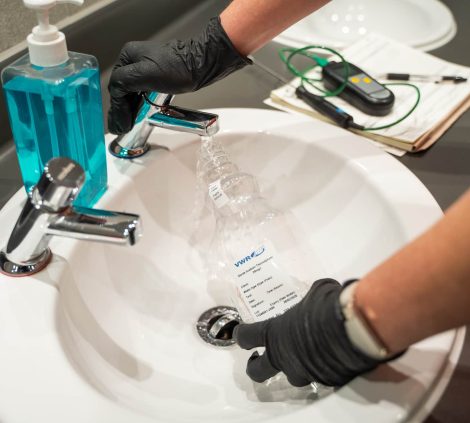
Legionella is a type of bacteria. It occurs naturally in water, and in small numbers it’s rarely a problem. The trouble starts when conditions let it multiply, warm stagnant water, sediment, biofilm building up in pipework that doesn’t see regular use. Get those conditions right (or wrong, depending on how you look at it) and Legionella can spread quickly through a building’s water system.
Breathe in contaminated water droplets, and you’re at risk of Legionnaires’ disease. It’s a serious, sometimes fatal form of pneumonia, and it’s exactly why the law takes this so seriously. Cooling towers, showers, taps, water storage tanks. Any part of your system that produces a fine mist or holds water for any length of time is a potential risk point.
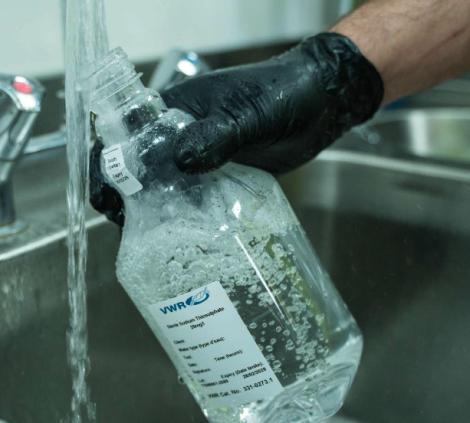
Our comprehensive programmes designed to optimise system performance, protect assets, and ensure regulatory compliance across heating, cooling and process water systems.
Supply, installation, and commissioning of equipment that improves water quality and reduces operating costs.
Complete end-to-end services that provide improved system reliability and efficiency, reduces energy and water consumption, and extends equipment life – meaning lower operational risk and long-term savings, as well as being compliant with standards such as ACOP L8, HSG274, BSRIA BG29/BG50.
Our new digital platform increases transparency and accountability.
TWC provides reassurance built on proven experience. With our people and systems in place, you’ll have the confidence that your buildings are safe, compliant, and well-managed.
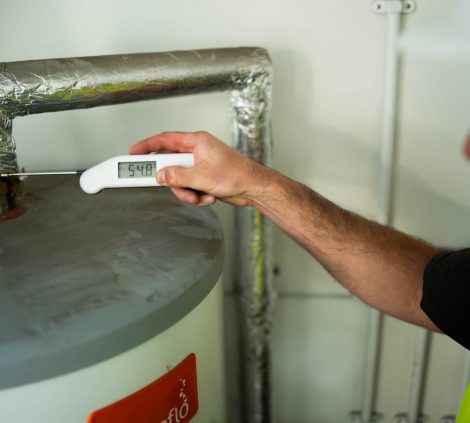
Every property is different. Pricing reflects your building’s size, the number and type of water systems you’re running, and how thorough the assessment needs to be. Get in touch with a few basic details about your Oxford premises to get a clear and honest quote.
Yes. No grey area here. The legal basis sits in the Health and Safety at Work Act 1974 and the COSHH Regulations 2002, backed by specific guidance in the HSE’s ACoP L8. If you’re a duty holder, an employer, or a landlord, you’re required to assess and manage Legionella risk. A written assessment isn’t optional. It’s the standard you’re expected to meet, in Oxford or anywhere else in the UK.
Picture it as a full health check for your building’s water systems. A qualified assessor surveys everything, looking for the conditions that let Legionella bacteria grow or spread. You get a written report back: clear findings, risk ratings, and a prioritised action plan. Whether you’re running an Oxford office, a school, a care home, or a hotel, the assessment adapts to your building.
There’s no single answer. It comes down to your property type and how complex your systems are. As a general rule, aim for a full review every one to two years. But certain moments should trigger an earlier look, new equipment going in, building alterations, or a change in occupancy. Your assessor will tell you exactly what fits your Oxford site.
It starts small, invisibly small. Legionnaires’ disease develops when someone breathes in contaminated water vapour or aerosol droplets. The bacteria thrive in water sitting between 20 and 45°C, especially where there’s stagnation, or biofilm and sediment building up unnoticed. Cooling towers, shower heads, water storage tanks. These are the usual suspects, and it doesn’t matter if your building is a sleek new Oxford development or a beautiful old listed property with tricky old pipework. The risk factors are the same.
Work through the actions in priority order, tackling the highest risks first. Then look further ahead. You’ll need an ongoing management plan, one that covers temperature monitoring, regular water sampling, flushing those low-use outlets, and keeping your records straight. TWC can manage the whole programme for you, or just the parts you’d rather hand off.