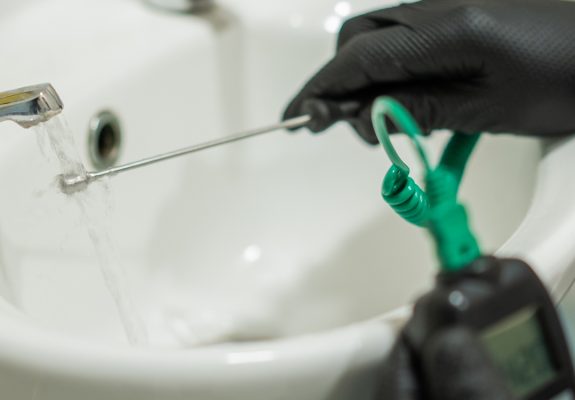
Given Watford’s density of commercial premises with offices, hotels, gyms, healthcare facilities, and a significant residential rental sector, the question of Legionella compliance comes up frequently for local duty holders. The answer, in almost every case, is yes. The Health and Safety at Work Act 1974 and the HSE’s ACoP L8 make it clear that any employer or landlord responsible for premises where water is stored or distributed must assess the risk of Legionella and put appropriate controls in place.
This isn’t something that only applies to large or industrial properties. If you have a water system, you have an obligation. Total Water Care works with Watford businesses and property owners to make meeting that obligation as straightforward as possible.
Contact Us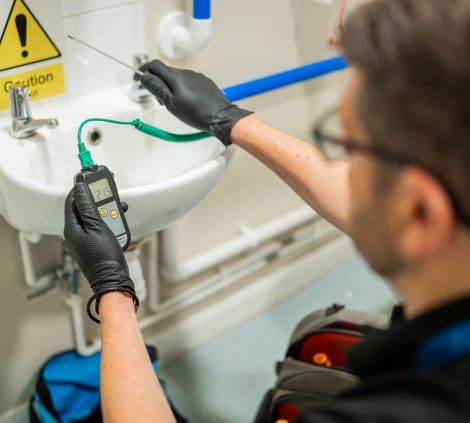
In a market where compliance can sometimes feel like a commodity, TWC takes a different approach. We believe that the quality of a Legionella risk assessment is only as good as the expertise and attention behind it, and that’s where we focus our energy.
Our assessors bring real depth of knowledge to every survey in Watford, and our reports reflect that. We don’t cut corners, we don’t use templates that don’t fit the building, and we don’t hand over a document and disappear. We stay engaged, we answer follow-up questions, and we’re available to help you work through the action plan we’ve produced. For facilities managers and landlords who want assurance, TWC delivers.
About Us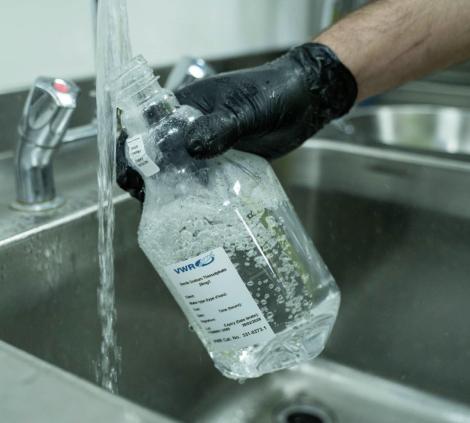
Legionella is a bacterium that exists at low levels in most natural water sources but poses a serious public health risk when it multiplies unchecked in artificial water systems. The conditions inside buildings, particularly warm storage tanks, underused pipe runs, and poorly maintained distribution networks, can create exactly the environment the bacteria needs to proliferate.
Legionnaires’ disease, the most serious illness associated with Legionella, is a form of pneumonia contracted by inhaling contaminated aerosol droplets. It can be fatal, especially in older adults and those with compromised immune systems. Several high-profile outbreaks in the UK have underscored the importance of proactive Legionella control, and the legal and moral consequences of failing to act.
Read More On Legionella Risk Management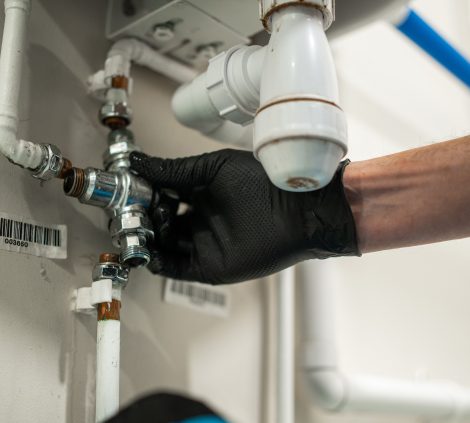
Our Watford risk assessments follow the HSE’s recommended framework under ACoP L8 and HSG274, but the way we apply it is shaped by the building in front of us, not a standard checklist. Our assessor will conduct a full site survey covering cold water storage tanks, hot water cylinders, calorifiers, all pipework runs, and every outlet in the system. We pay particular attention to risk amplifiers such as dead legs, infrequently used outlets, inadequate trace heating, and tanks without proper insulation or lids.
We also look at the broader picture. How the building is managed, whether water hygiene records exist, and whether there have been any changes to the system or its usage. Everything feeds into a report that’s specific, structured, and built to support your compliance. Read more about our full Legionella risk assessment service.
There’s no single price as costs are shaped by the type and size of the building, the number of water systems to be assessed, and the complexity of the installation. We provide specific, no-obligation quotes after a brief conversation about your property. There are no hidden charges and no surprises.
Yes, it’s a legal duty under the Health and Safety at Work Act 1974 and COSHH Regulations 2002, supported by the HSE’s ACoP L8. Whether you’re an employer, a commercial landlord, or a managing agent, you are required to carry out and record a Legionella risk assessment for any premises you’re responsible for.
A formal evaluation of your building’s water systems to identify conditions that could lead to Legionella growth or transmission. It covers all elements of the water installation and produces a written report with risk ratings and a schedule of control measures. It is the core document underpinning your Legionella compliance.
The HSE doesn’t prescribe a fixed interval, but in practice, most commercial properties should review their assessment every one to two years. Any significant change to the building, the water system, or the population using it should prompt an earlier review. We’ll advise on the right schedule for your circumstances.
The disease is contracted by inhaling airborne water droplets containing Legionella bacteria. The bacteria thrive where water temperatures are between 20-45°C and where there is stagnation, sediment, or organic material present. Cooling towers, shower heads, and domestic hot water systems with insufficient heat-up temperatures are the most common culprits.
Work through the action plan in the report, prioritising any items rated as high or immediate risk. Alongside the remedial works, you’ll need to establish a regular Legionella management schedule, including temperature monitoring, sampling, and flushing regimes. TWC can provide that ongoing support.