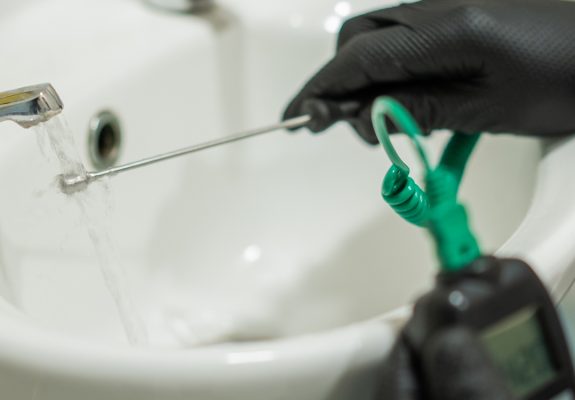
The short answer is almost certainly yes. If you own, manage, or are responsible for any building in Northampton where water is stored or distributed, whether that’s an office, warehouse, rental property, school, or leisure facility, then the law requires you to assess and manage Legionella risk. The Health and Safety at Work Act 1974, combined with the HSE’s Approved Code of Practice L8, places a clear duty on employers and landlords to carry out a written risk assessment.
This isn’t a tick-box exercise, it’s the foundation of a safe water hygiene strategy. Without one, you’re exposed to enforcement action, unlimited fines, and the very real risk of harm to the people in your care.
Contact Us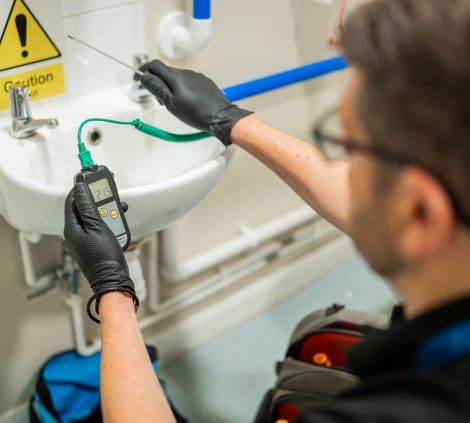
There’s no shortage of water treatment companies operating in the East Midlands, so what makes TWC different? It comes down to how we work. We don’t send out generic reports, every assessment we carry out in Northampton is specific to your building, your systems, and your responsibilities. Our assessors are qualified, experienced, and easy to talk to.
We explain what we find in plain language, give you a realistic picture of your compliance position, and tell you exactly what needs to happen next. We’re also here after the report lands to answer questions, discuss recommendations, and support you through remedial works if needed. That level of service is what keeps our clients coming back.
About Us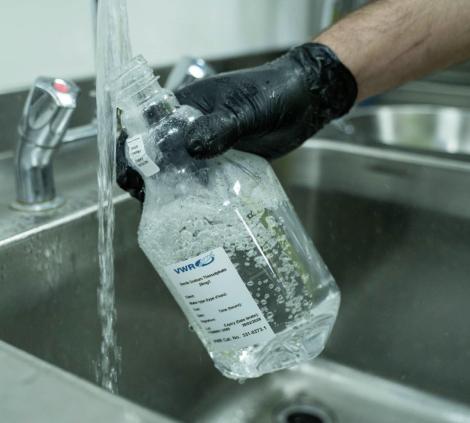
Legionella pneumophila is the bacterium responsible for Legionnaires’ disease, a serious, and sometimes fatal, form of pneumonia first identified following an outbreak at a Philadelphia hotel in 1976. The bacteria live naturally in freshwater, but they become hazardous when they enter the water systems of buildings. Poorly maintained tanks, pipework with dead legs, and systems where water sits at lukewarm temperatures all create the conditions Legionella needs to multiply.
The risk to people comes when contaminated water is atomised, this can be through a shower, a cooling tower, or a tap, and the fine droplets are breathed in. For building managers across Northampton, understanding this risk is the first step in preventing it.
Read More On Legionella Risk Management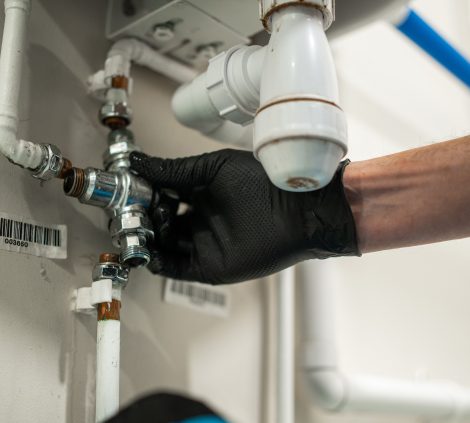
We start before we even arrive on site. Our team reviews any previous assessment records and maintenance history so we can direct our attention to the areas most likely to present risk. On site, our assessor inspects your water systems methodically, looking at storage vessels, calorifiers, pipework runs, outlets, and any specialist equipment such as cooling towers or humidifiers.
We record temperatures, observe system conditions, and note anything that deviates from best practice. Once the survey is complete, we produce a written report that sets out our findings clearly, rates each identified risk, and gives you a prioritised action plan. It’s a document built to satisfy the HSE and to make your next steps obvious. Read more about our full Legionella risk assessment service.
Pricing isn’t one-size-fits-all. It depends on your building’s size, the complexity of your water systems, and the number of outlets involved. Rather than publish fixed rates that may not reflect your situation, we prefer to quote based on the specifics of your property. Get in touch, and we’ll provide a clear, no-obligation price.
Yes. The Health and Safety at Work Act 1974 and the Control of Substances Hazardous to Health Regulations 2002 both require duty holders to assess and control Legionella risk. The HSE’s ACoP L8 sets out the expectation for a formal written assessment, and the HSE can and does prosecute where duty holders fail to comply.
It’s a structured survey of your building’s water systems, carried out to identify conditions that could allow Legionella bacteria to grow. The assessment covers storage, distribution, outlets, and usage patterns, and results in a written report with risk ratings and recommended control measures tailored to your property.
There’s no single fixed interval, as it depends on your property and its risk profile. As a general rule, assessments should be reviewed every two years or whenever there are significant changes to your water systems, your building’s use, or its occupancy. Higher-risk premises may need more frequent review.
Legionnaires’ disease is caused by inhaling fine water droplets containing Legionella bacteria. The bacteria thrive in systems where water sits between 20-45°C or where there’s stagnation, sediment, or biofilm. Showers, cooling towers, and poorly maintained storage tanks are among the most common sources.
Act on the recommendations, starting with any items rated high risk. You’ll also need to put in place an ongoing Legionella management programme covering regular temperature checks, monitoring, flushing regimes for infrequently used outlets, and written records. TWC can help you build and maintain that programme.